
For beginners choosing the right shoes is essential because it directly affects their comfort, and performance of their running journey. Everyone has different preferences when it comes to choosing the best beginner running shoes but for the new runner, it is important to get the best and proper support, and cushioning shoes which help to prevent injuries and joint pain. As a beginner runner, you must ensure more safe and enjoyable running shoes which help you to build consistent running habits with confidence and comfort. Selecting the right shoe is a great investment to provide sustainability to the running journey.
The right pair of shoes provides a significant impact on new runners. The immediate benefit of the right pair of shoes is comfort. The proper-fitting shoes provide cushioning that makes every step comfortable. If the runner feels comfortable in their shoe they are more likely to enjoy their running.
The perfect shoe also reduces the injury risk from minor to serious conditions. Lack of proper support can result in injuries like fractures, shin splinters, and ankle pain. The best running shoes also improve the performance of the runner. Different running shoes have different fittings and supports that provide a better grip on every step to the runner. During the selection of a running shoe for beginners , must be a versatile shoe that enhances the good shape and increases the durability and efficiency of the runner simultaneously. The appropriate support and the right shoe can prevent injuries and the runner feels comfortable so they can focus more on progress which improves the performance.
This guide will provide knowledge and key factors that help beginners to find and select the best running shoes that minimize injury risk, enhance their comfort, and improve their running performance.
Factors to Consider When Choosing Running Shoes for Beginners.
Comfort and Fit
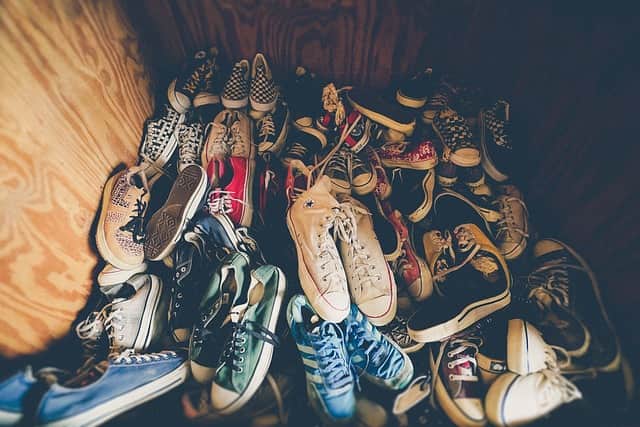
The proper fit and comfort cannot be neglected when choosing running shoes as they affect both performance and comfort. The tight shoe can cause the discomfort of bruised toenails, and tendons in lower leg due to extreme pressure and tightness which leads to a more bad running experience.
Similarly, shoes that are too loose can cause the foot to slip during running and the runner feels instability which may cause joint pain or other injuries.
A proper fit guarantees that the shoe supports the foot strongly without squeezing. A fit and comfortable shoe that feels lightweight reduces the risk of blisters and is injury-free.
In running shoes, the cushioning plays an important role in the impact of absorption during the excess movement. Proper cushioning helps absorb the impact forces and reduces the stress on the muscles and joints. For beginner runners cushioning is important who may not have developed the running strength yet. Cushioning not only provides safety from injury but also provides comfort and confidence to the running experience.
Arch Support
Running looks easy just tying the shoes and walking out to your door but unfortunately, it’s not like that because understanding the different types of foot and their needs requires specific support to enhance comfort and performance. The different types of foot arches are flat, neutral, and high.
- Flat Arches: It also called low arches, they have no visual arch while standing. The whole sole is usually in contact with the ground. The foot rolls internally unnecessarily during walking or running.
The ideal shoes for flat arches the improves stability and support. Always look for features that provide motion-control shoes, solid midsoles and high drop that provide more arch support to your current pair as well as future pair of shoes.
- Neutral Arches: These arches are considered the ideal foot type, the arch has a moderate curve and it provides balance between the foot and the weight.
For a runner having neutral arches is a blessing because it makes choosing shoes easier. This type of arch has good stability shoe and proper shock absorption also reduces the risk of foot-related injuries. The neutral shoe offers a balance of cushioning and flexibility.
- High Arches: A person having high arches has a raised curve. The space under the arch of the foot is larger than normal. They may have foot issues like ankle instability, stress fractures, and foot pain.
For high-arch feet, the best shoes have ample cushioning to absorb and reduce foot stress and pain. Shoes with soft cushioning that provide extra midsole and help to overcome the discomfort caused by high arches.
Choosing Shoes Based On Arch Type For Better Support
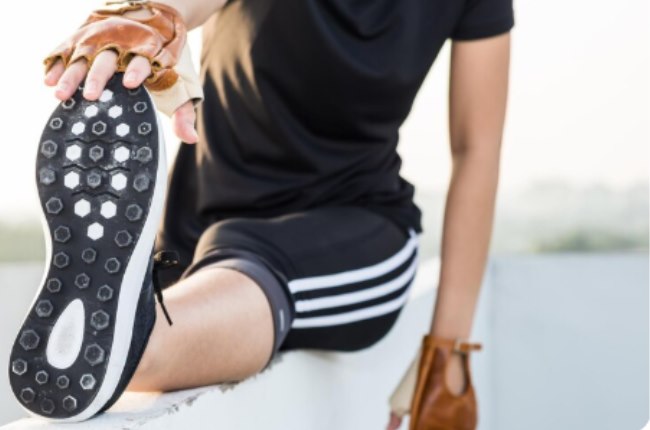
Choosing the right running shoe based on your arch type is important to provide comfort support, and reduce the risk of injuries. Here are the following benefits to choosing the arch-type running shoe
- Improved Comfort: Good support minimizes the chance of foot injuries and discomfort and makes the runner experience more enjoyable.
- Enhanced Stability: For proper foot alignment it is necessary to have more stable shoes which may help to reduce the the chance of injuries.
- Better Performance: Best running shoe increase efficiency and transfer energy into better performance and fast running.
- Injury Prevention: To prevent foot injuries it’s essential to address specific needs of your foot type and make yourself comfortable from foot-related injuries.
Durability And Quality
It is a very important factor to consider when choosing running shoes, to figure out how well the shoe provides long-lasting comfort and support during the performance. The best running shoes with premium materials effectively protect your feet and build great absorption. Moreover, when selecting the running shoe the following points must be considered to identify the shoe’s durability and quality.
- Outsole Material: It’s a part of the shoe that creates contact with the ground. The shoes must be made of high-quality rubber or carbon rubber compounds. The shoe material provides a good grip on different surfaces.
- Midsole Cushioning: It is liable for cushioning and shock absorption. Midsoles are typically made from a light form of material that provides good support and comfort. Another cushioning technology such as air or gel inserts often increases durability.
- Upper Construction: The upper part of the shoe must be made from breathable and flexible material like leather and fabric.
- Stitching and Bonding: The running shoe stitching and bonding quality holds the shoe components together.
The Importance Of Investing In Quality Shoes
Investing in durable, high-quality racing shoes ensures that you get the most out of your purchase, reducing the need for frequent replacements and helping to prevent injuries caused by worn-out footwear. Investing in quality running shoes is crucial for several reasons.
- Longevity: High-quality shoes are built to last, which means you don’t need to replace them as frequently. While they may cost more upfront, they offer better value over time by outlasting cheaper, lower-quality options.
- Injury Prevention: Quality running shoes provide better support, cushioning, and stability, which are essential for preventing injuries. Poorly made shoes can wear out quickly, losing their ability to protect your feet and joints from the impact of running.
- Enhanced Performance: Well-made running shoes are designed to enhance your performance by providing a comfortable and secure fit, optimal traction, and efficient energy return with extra support.
- Comfort: Quality shoes are more likely to offer better fit and superior materials that reduce the likelihood of blisters, hotspots, and other forms of discomfort. This comfort can make your running experience more enjoyable and encourage you to stick with your training routine.
Weight Of The Shoe
The weight of a running shoe plays an important part in a new runner’s life and also impacts overall performance. Good quality materials used in the outsole, midsole, upper part, and extra cushioning support the foot. A new runners need comfort first to achieve their goal and distance to move the foot forward.
Pros and Cons of Lightweight vs. Heavier Running Shoes
Lightweight Running Shoes
| Pros | Cons |
| Increase Speed and Agility | Reduce Durability. |
| Improve Running Efficiency | Less Cushioning and Support. |
| Increased Flexibility |
Heavier Running Shoes
| Pros | Cons |
| Greater Durability | Reduce Speed and Agility |
| Increase Cushioning and Support | Increased Fatigue |
Finding A Balance Between Weight and Cushioning
Finding the balance of light and heavier shoes as per your specific needs as a runner. This balanced approach of weight and cushioning can help to find the best running shoes for personal comfort preferences.
- For Speed and Short Distances: If your main focus is on speed and you mostly run shorter distances so lightweight shoes are ideal for your smooth running.
- For Long Distance: If you mostly run for longer distances like marathons you may prefer a good pair of shoes with more cushioning.
- For Versatile Training: For daily race day many runners prefer having versatile shoes. A well cushioned and lightweight for speed of ground feel.
Breathability
Running shoes can allow air to move around the foot and provide cooling and dry runs. This is very essential feature to provide comfort and reduce any risk of infection and allergies due to moisture.
Importance Of Ventilation To Keep Feet Cool And Dry
During running several reasons are important for foot comfort. A few are below to help when choosing the running shoes.
- Comfort: Overheating causes discomfort and feet feel excessively hot and sweaty. It makes it difficult to focus and enjoy running especially in hot weather.
- Moisture Control: Your feet must be moisture-free during the running. Breathable shoes only keep feet drier and more comfortable.
- Odor and Hygiene: Redundant moisture inside the shoes causes bacteria and fungi which lead to infections and allergies.
- Performance: Comfortable running shoes are important for optimal performance. When your feet are cool and dry, you’re less likely to experience discomfort.
Types Of Materials That Offer Breathability
The following are the types of materials that offer breathability.
- Engineered Mesh: Engineered mesh is a lightweight, flexible fabric with an open weave that allows air to flow freely through the shoe.
- Knit Fabric: Knit upper fabrics are also lightweight and comfortable, making them ideal for running shoes.
- Perforated Leather or Synthetic Materials: It can provide adequate ventilation while offering a more structured fit.
- Gore-Tex or Other Breathable Membranes: For runners who need waterproof shoes, breathable membranes like Gore-Tex provide a solution. They are best suited for specific weather conditions.
- Moisture-Wicking Linings: Some running shoes feature moisture-wicking linings that help draw sweat away from the foot, keeping it dry.
Shoe Type (Road vs.Trail)
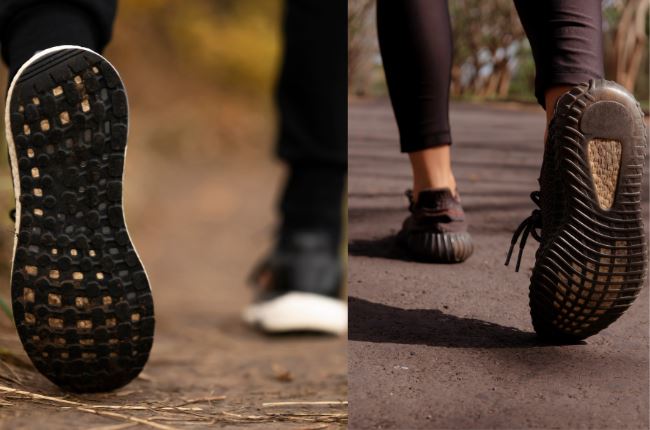
When we talk about shoe type only comes to mind for running whether road or trail and choosing the right running shoes directly impacts your performance, comfort, and support. As per the different running environments road and trail shoes are designed with specific features. The difference between these types and selecting the right running shoes is essential for runners.
Differences Between Road And Trail Running Shoes
Road Running Shoes
- Sole and Tread: Road running shoes typically have a smooth, flat sole with minimal tread. This design provides a good grip on dry and flat surfaces or the ground feel.
- Cushioning: The cushioning helps to protect the feet, knees, and joints. These shoes are designed with ample cushioning
- Flexibility: Road shoes are often more flexible than trail shoes, allowing for a smoother and flexibility contributes to better running efficiency on flat surfaces.
- Weight: Road running shoes tend to be lighter than trail shoes.
Trail Running Shoes
- Sole and Tread: Trail running shoes are designed to perform better on uneven and slippery surfaces.
- Cushioning and Protection: They have additional features like rock plates to support toe caps to protect from running hazards.
- Stability and Support: Trail shoes have more support and stability.
- Durability and Water Resistance: Trial shoes have both durability and water resistance.
Beginner Budget Running Shoes
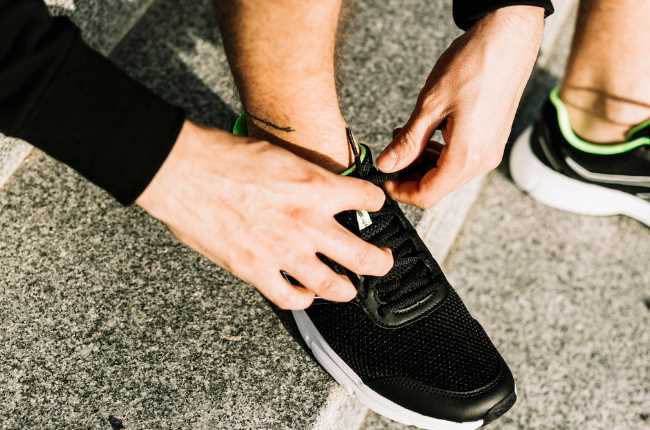
When you decide to buy running shoes for beginners a budget is an important factor for new runner. The price of the best running shoes varies as per the influences of quality and features that help you to make more suitable decisions that balance the need and cost simultaneously.
- Understanding Your Needs: As a beginner, it’s important to know your need for a running shoes align with your budget. The below factors to consider in your plan to run, are the type of foot (e.g., flat feet or high arches).
Typical Price Ranges
- Budget-Friendly ($50 – $80): For beginners, it is suitable who are just starting to run. In this price range, you can find the running shoes.
- Mid-range ($80 – $120): In this range, you can get a good balance of quality, comfortable shoes with more good cushioning features.
- Premium ($120 and above): In this price range you can get the top-of-line running shoes with specialized features with maximum stability, cushioned, and lightweight.
How Price Can Influence Quality And Features
For choosing the running shoes it is important to set a budget that aligns with your running goals and needs. Understanding how price influences quality and features will help you make a useful decision for your running experience . Below are the points that help new runners with quality and features.
- Material Quality
- Cushioning and Support
- Innovative Features
- Brand Reputation
- Durability
Top Best Beginner Running Shoes

Here is a list of the top 10 running shoes for beginners, along with key features, pros and cons, and the best uses of each.
Nike Pegasus 40
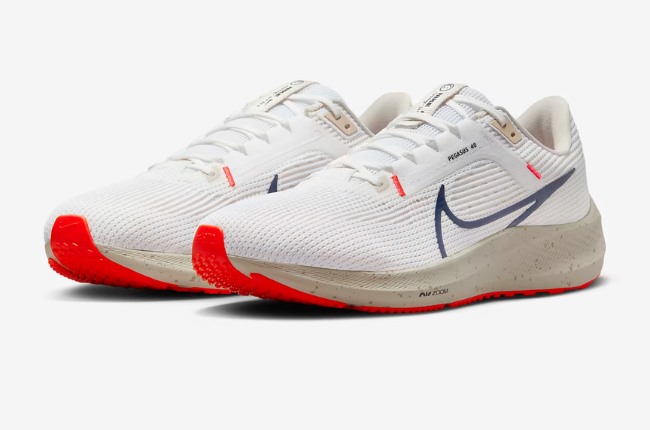
Key Features:
- Best work for narrow feet and responsive Zoom Air cushioning for a smooth ride.
- Breathable mesh upper with extra padding around the ankle.
- Durable outsole with good stability.
- Best For: Road running, neutral arches, and daily training.
| Pros | Cons |
| Versatile for various running surfaces. | Slightly heavier compared to some other models. |
| Comfortable fit for different foot shapes | |
| Reliable and durability for long-term use |
Brooks Ghost 15
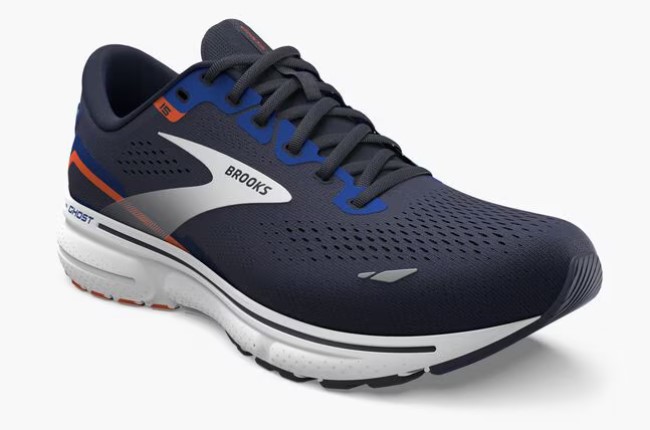
Key Features:
- Soft DNA LOFT cushioning for plush comfort
- Segmented crash pad for smooth heel-to-toe drop transitions
- Mesh Upper breathes well.
- Best For: Road running, high arches, long-distance run.
| Pros | Cons |
| Excellent cushioning for long runs | Heavier than other options, may not be ideal for speed |
| Durable and supportive | Premium price. |
| Ideal for various foot shapes |
ASICS Gel-Cumulus 25
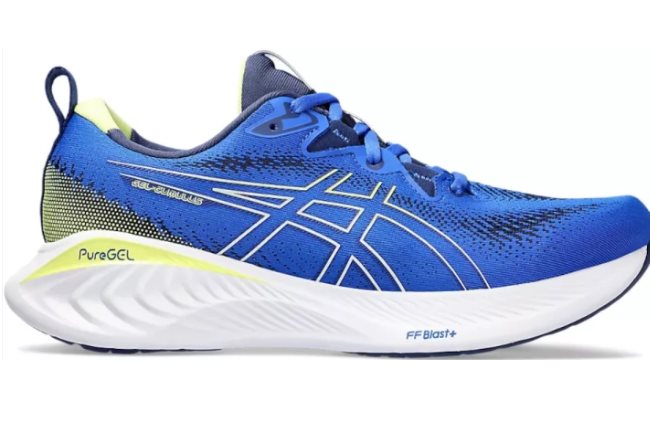
Key Features:
- GEL technology for superior shock absorption
- Midsole for lightweight cushioning
- Stability for the feet.
- Best For: Road running, neutral arches, fast workout
| Pros | Cons |
| Great for absorbing impact, reducing injury risk | May feel a bit narrow for wider feet |
| Lightweight and well-cushioned | Slightly firm underfoot for some runners |
| Versatile for different running distances |
Saucony Ride 15
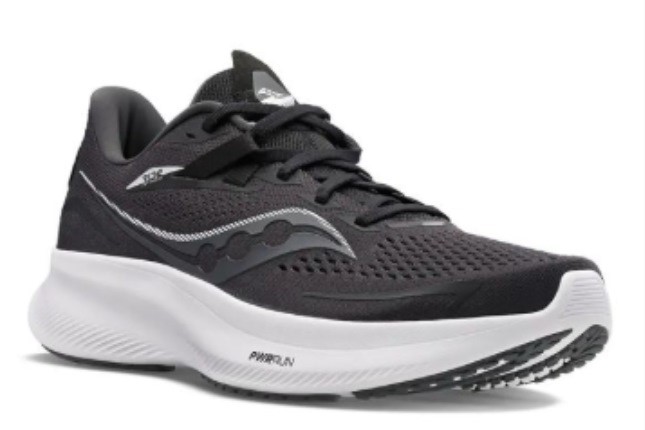
Key Features:
- Maximum cushioning for a responsive feel
- Carbon fiber plates provide relaxation to foot
- Durable rubber outsole with good grip.
- Best For: Road running, neutral arches, everyday training.
| Pros | Cons |
| Excellent balance between cushioning and responsiveness | Limited color options |
| Lightweight and flexible | May not offer enough support for flat foots. |
| Good traction on both wet and dry surfaces |
New Balance Fresh Foam 1080v12
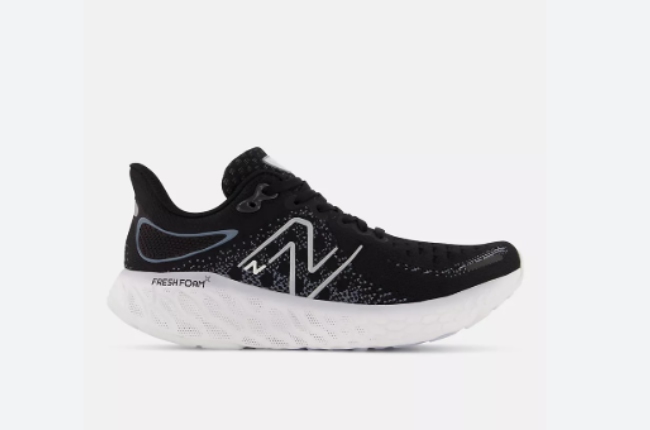
Key Features:
- Fresh Foam X midsole for soft cushioning
- Light stability, comfortable, snug fit
- Blown outsole for durability.
- Best For: Road running, high arches, long-distance running
| Pros | Cons |
| Luxurious cushioning, ideal for longer runs | Expensive compared to other beginner shoes |
| Wide range of sizes, including wide widths | Slightly bulky for speedwork |
| Smooth and comfortable ride |
HOKA Clifton 9
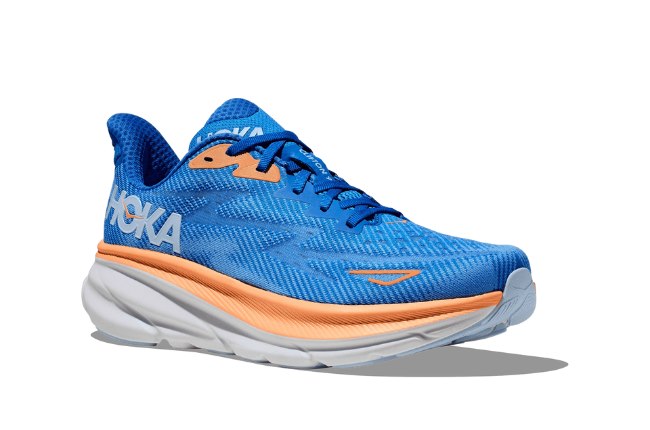
Key Features:
- Thick midsole for lightweight with good cushioning.
- Meta-Rocker technology for smooth transitions or uneven terrain.
- Breathable engineered mesh upper.
- Best For: Road running, neutral arches, cushioned runs.
| Pros | Cons |
| Extremely lightweight and comfortable | Some may find the cushioning too soft. |
| Soft cushioning that doesn’t sacrifice responsiveness | Not for wide feet |
| Suitable for long runs and recovery days |
Mizuno Wave Rider 27
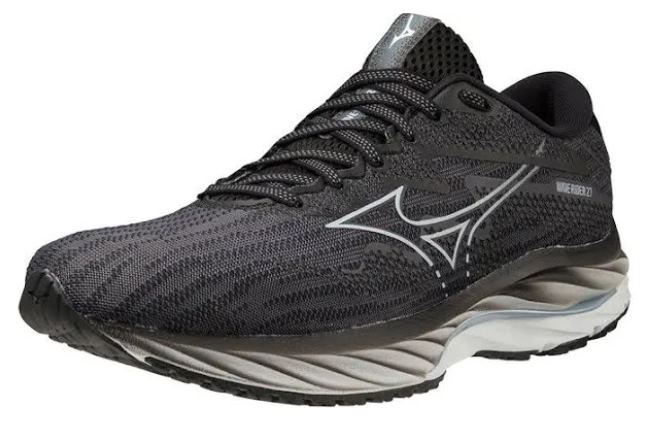
Key Features:
- Wave plate technology for added stability.
- Midsole for a balance of cushioning and firmness.
- Smooth Ride engineering for fluid transitions.
- Best For: Road running, neutral to high arches, stable running.
| Pros | Cons |
| Excellent for runners who need stability | Slightly firm for those preferring softer shoes |
| Durable and responsive cushioning | Traditional design may not appeal to everyone |
| Good for long running distances |
Adidas Ultraboost 22
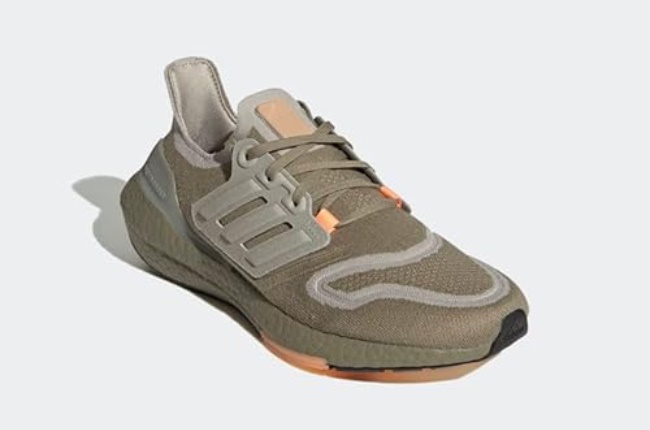
Key Features:
- Boost midsole for energy return and comfort.
- Super Comfy.
- Plenty of pattern options.
- Best For: Road running, neutral arches, everyday wear, and running.
| Pros | Cons |
| Responsive cushioning | Heavier than other running shoes |
| Stylish design and comfortable fit | Higher price point and not for wider feet |
| Durable and grippy outsole |
Puma Velocity Nitro 2
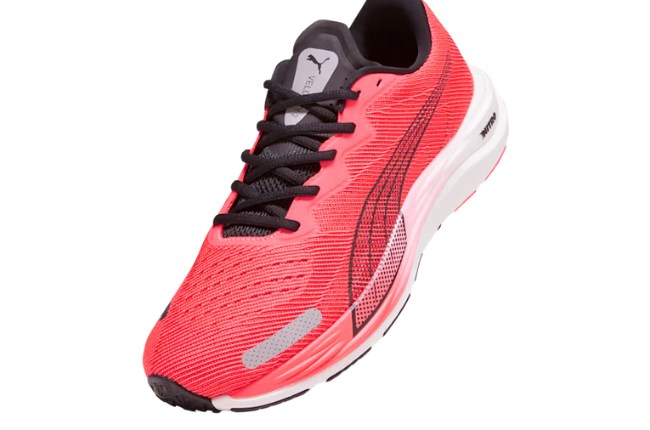
Key Features:
- NITRO foam midsole for lightweight cushioning.
- PUMAGRIP outsole for traction on various surfaces.
- Reflective elements for visibility.
- Best For: Road running, neutral arches, versatile everyday training.
| Pros | Cons |
| Versatile and well-cushioned for daily runs | Limited support for overpronators |
| Lightweight and responsive feel | Durability may be an issue for heavy runners |
| Good value for the quality and features |
How To Test And Choose The Right Running Shoes
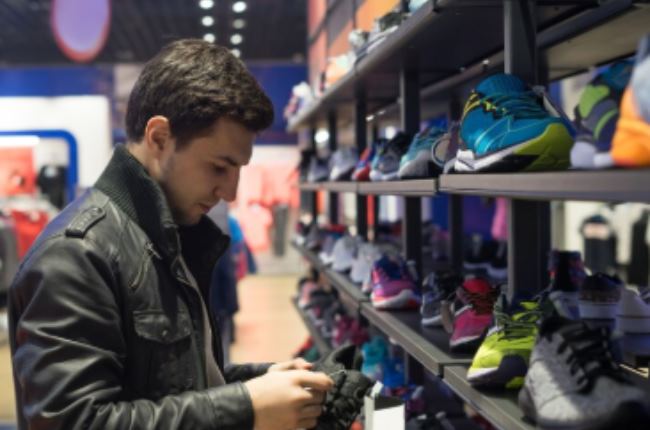
For a new runner, it’s essential to test and choose the right running shoes to ensure the proper fit, comfort and need requirement. Here are some key tips for testing and selecting the best running shoes.
Tips for Testing Shoes In-Online
Online shopping offers convenience and its a wide platform, but few points must be keep in your mind while purchasing online.
- Fit and Comfort: Shoe must be comfortable and fit as per your feet type. You should check review describe the shoe’s behavior during different types of runs (long-distance, short sprints, trail running).
- Immediate Feedback: Always check the review from the runner it gives you the accurate idea that suited your need.
- Foot Shape and Issues: Always purchaseas per the foot shape for the perfect fit and comfort with max cushion.
- Ensure About Return Policy: When buying beginner friendly running shoes online, it’s essential to check the return policy. Look for brands that offer free or low-cost returns and exchanges as per your requirement.
Tips for Testing Shoes In-Store
- Measure Both Feet: It is important to have measure both feet before trying a new shoes for a balanced ride according to your feet shape. Be aware the sizing system if you are buying from an international retailer between regions (e.g., U.S., U.K., and European sizes).
- Wear Running Socks: Ensure that you are testing the comfort and fit shoes by wearing socks prevent shoes from too tight or loose for the running.
- Test Walking and Jogging: Always test the shoes by walk or jog around the store. It gives you sense of experience of the shoe performance as compare the other shoes for recovery runs.
- Check Flexibility and Cushioning: Check the shoe flexibility. A good running shoes provide enough stability. By applying pressure to the midsole to check the cushioning of the shoes.
- Ask About Return Policies: If possible, ask about the running store return or exchange policy because some special running shoes stores offers trial period.
Maintenance Tips For Running Shoes
Cleaning and Storage
- Remove the excess dirt after each run by using soft brush or cloth.
- Avoid machine washing to your running shoes because it can damage the shoe structure.
- Before cleaning the shoes remove insole and laces.
- After cleaning the shoe let them dry at room temperature and always avoid place them near heat source it can damage the shoes material and structure.
- Keep them in dry cool place.
- Try to use stuff paper or shoe tress to keep them in their right shape.
- Always avoid to crushing on top of your shoes because it may affect their structure and cushioning.
Replacement Guidelines
- If you see visible wear and tear in your shoe soles so its loses its grip or may cause slip.
- If your shoe feels less cushioned and the midsole of the shoe feel like compressed its reduce the absorb shock and cause injury.
- Frequently feeling pain in joints and muscles its reflecting that your shoes no longer provide support and this is the time you need a new pair.
- A shoe with flat midsole indicate the visible creases it means that its lead to running injuries.
- Its a general rule of thumb that the running shoes replaces every 300 to 5000 miles, depend on your running style, and type of shoe.
Conclusion
Choosing the right running shoe is one of the most important decision for the beginner. From understanding the need of your purchasing by considering the factors like cushioning, durability, comfort, and fit which prevents injuries and enhance the performance. A new runner should make decision wisely for stable ride with the lightweight feel. However, you can purchase from different shoes stores and online as per your preference by keeping the above discussed factors.
This beginner’s guide provide the key insights to find the running shoes that suited your needs and preferences. By following tips and guide you can find the perfect shoes for your running goal. Investing in the right pair from the beginning give you successful and enjoyable running experience.
We here encourage you to use the information in making your decision and start your running with the right pair. Happy Running!
FAQs
1. What are the best brands for beginner running shoes?
Many brands are famous for producing high-quality running shoes that cater to both beginners and experienced runners. Few of the most recommended brands are: Nike, Brooks, Asics, New Balance, and Saucony
2. How often should running shoes be replaced?
On average, running shoes should be replaced every 300 to 500 miles, depending on these factors like Running surface, Body Weight and running style, Visible Wear. Also for the beginner runner you might to replace your shoes every 6 to 12 months depending on wear and running miles.
3. Can beginner runners use trail shoes on the road?
The trail running shoes are specially designed for off-road ground. However, here are few points to be consider Sole design, Weight and Flexibility and Occasional Use.

